Dumpster rentals use a practical service for managing waste throughout numerous jobs, from tiny home restorations to large building sites. To guarantee a smooth process, it's essential to understand the elements influencing costs, such as rental period, size, and place, along with surcharges like delivery and disposal charges. Selecting the right dumpster size and rental period can substantially affect costs and effectiveness. Additionally, it's essential to be knowledgeable about prohibited items, positioning and availability considerations, and local regulations to stay clear of penalties and job delays. By considering these crucial elements, you can successfully handle your waste and achieve an effective job result, and there's more to discover when it comes to choosing the excellent dumpster service for your specific needs.
Understanding Dumpster Rental Costs
Calculating dumpster rental costs can be a daunting task, especially for those who have never rented a dumpster before.
It's crucial to recognize the various variables that add to the overall expense to guarantee you get the best deal. Dumpster rental costs usually consist of the rental period, dumpster size, kind, and weight capacity.
Additionally, the location and range from the rental business's center can influence the expense. Some rental firms might additionally charge added for delivery, pick-up, and disposal fees
Moreover, any kind of local permits or licenses needed for the dumpster may add to the total expenditure. It is necessary to inquire about any type of additional costs or charges when asking about dumpster rental costs.
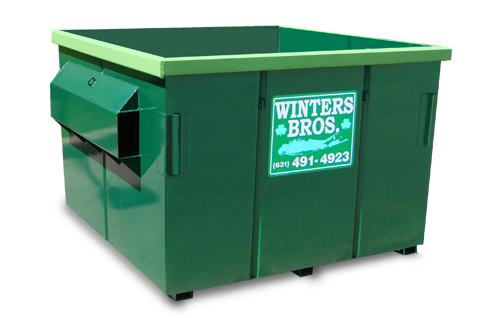
By understanding these elements, you can much better approximate the total cost of your dumpster leasing and make a notified decision.
Remember to always ask about any kind of discounts or promotions that might be available to help reduce your costs.
Choosing the Right Dumpster Size
Choosing the appropriate dumpster size is crucial for ensuring a smooth and efficient waste elimination process, as it directly influences the general price and effectiveness of the service. A dumpster that is as well tiny might lead to additional fees for numerous pickups or overfilling, while a dumpster that is as well huge may cause squandered area and unneeded expenses.
When picking a dumpster dimension, assess the scope of your job and the type of materials you will certainly be dealing with. For small to medium-sized projects, such as kitchen area restorations or backyard cleanups, a 10-20 yard dumpster may be sufficient.
Larger tasks, such as building or demolition, might call for a 30-40 backyard dumpster. It's likewise crucial to examine any kind of specific regulations or restrictions in your location that may affect dumpster dimension and placement.
Dumpster Rental Period Options
Determining the ideal dumpster rental period is a critical element of the waste administration process, as it directly impacts the overall expense and ease of the rental.
Rental periods commonly vary from a few days to a number of weeks and even months, depending upon the task's range and period. Short-term rentals, typically 3-7 days, are excellent for small-scale jobs, such as clearing out a solitary area or completing a small renovation.
Medium-term leasings, commonly 7-14 days, are suitable for larger jobs, like redesigning a kitchen or bathroom. Long-term rentals, commonly 2-4 weeks or even more, are best for comprehensive tasks, such as whole-house remodellings or large construction.
Some dumpster rental business might supply flexible rental periods or extensions, permitting you to readjust the rental period as needed.
It's essential to review your certain needs with the rental business to determine the most cost-effective and convenient rental duration for your project.
What Can You Throw Away
Your project's waste disposal needs are one-of-a-kind, and recognizing what can be gotten rid of in a dumpster rental is important to assuring a smooth and reliable process.
Most dumpster rental business allow you to take care of general construction debris, household waste, and yard waste in their dumpsters. This includes items such as drywall, roof materials, floor covering, and other building products. You can likewise get rid of house things like furniture, home appliances, and general trash.
Yard waste, consisting of branches, leaves, and yard trimmings, can be thrown away in a dumpster leasing as well.
Additionally, lots of dumpster rental companies permit you to take care of heavy materials like concrete, asphalt, and dust. Nevertheless, it's important to check with your rental firm beforehand to assure they can accommodate these larger materials.
Understanding what can be thrown away in a dumpster rental will certainly aid you intend your job more effectively and ensure a successful waste disposal process. By knowing what products are enabled, you can focus on completing your project on time and within budget.
Prohibited Products and Materials
While understanding what can be discarded in a dumpster rental is vital, it's just as important to recognize what products and products are strictly forbidden from being dealt with in these containers. Certain items position environmental https://pastelink.net/t47pqtd1 or health risks, and their disposal is regulated by law.
For circumstances, hazardous waste like batteries, electronics, and chemicals can not be thrown out in a dumpster. Similarly, asbestos, tires, and propane tanks are also banned as a result of their prospective to create harm.
Additionally, products like food waste, liquids, and transmittable products are not allowed dumpsters as they can bring in parasites and develop unsanitary conditions
It's essential to examine the prohibited items checklist given by your dumpster rental business to stay clear of any kind of fines or fines. Proper disposal of these products is crucial, and your rental company might supply guidance or resources for their safe disposal
Dumpster Placement and Accessibility
Flexibility is key when it involves dumpster placement and accessibility, as it greatly impacts the efficiency and convenience of the waste administration process
The perfect place for your dumpster rental should be easily accessible, yet off the beaten track of foot website traffic and day-to-day activities. Consider the dimension of the dumpster and the area readily available on your residential property to ensure a smooth and effective waste monitoring experience.
Accessibility is also essential, as it affects the ease of filling and dumping waste. Make certain the dumpster is placed on a level surface, which the bordering location is free from challenges and debris.
Additionally, think about the distance between the dumpster and the area where waste will certainly be produced, as this can impact the regularity of journeys to the dumpster and overall efficiency
Scheduling and Distribution Logistics
Proper planning and sychronisation are crucial when it pertains to scheduling and delivering dumpsters to ensure a seamless waste monitoring experience
When renting a dumpster, it's important to schedule the shipment and pickup days in advance to make sure the dumpster shows up in a timely manner and is grabbed promptly when the project is full. This sychronisation aids stop unnecessary delays and extra fees.
It's likewise crucial to take into account the logistics of delivery, such as making certain the dumpster can suit the designated area which there are no barriers blocking the shipment path.
Most dumpster rental companies offer flexible organizing options, consisting of same-day or next-day shipment, to accommodate your job's unique needs.
Be certain to inquire about the company's distribution plans, including their solution area, distribution hours, and any additional charges related to delivery or pickup.
Filling and Weight Capacity
The ability of a dumpster rental is a significant factor to evaluate when preparing a waste administration task. The weight capacity refers to the maximum quantity of waste the dumpster can hold, generally measured in bunches. Exceeding this capacity can cause additional fees or perhaps being rejected of the waste.
It's crucial to choose a dumpster dimension that matches your task's requirements to stay clear of overfilling
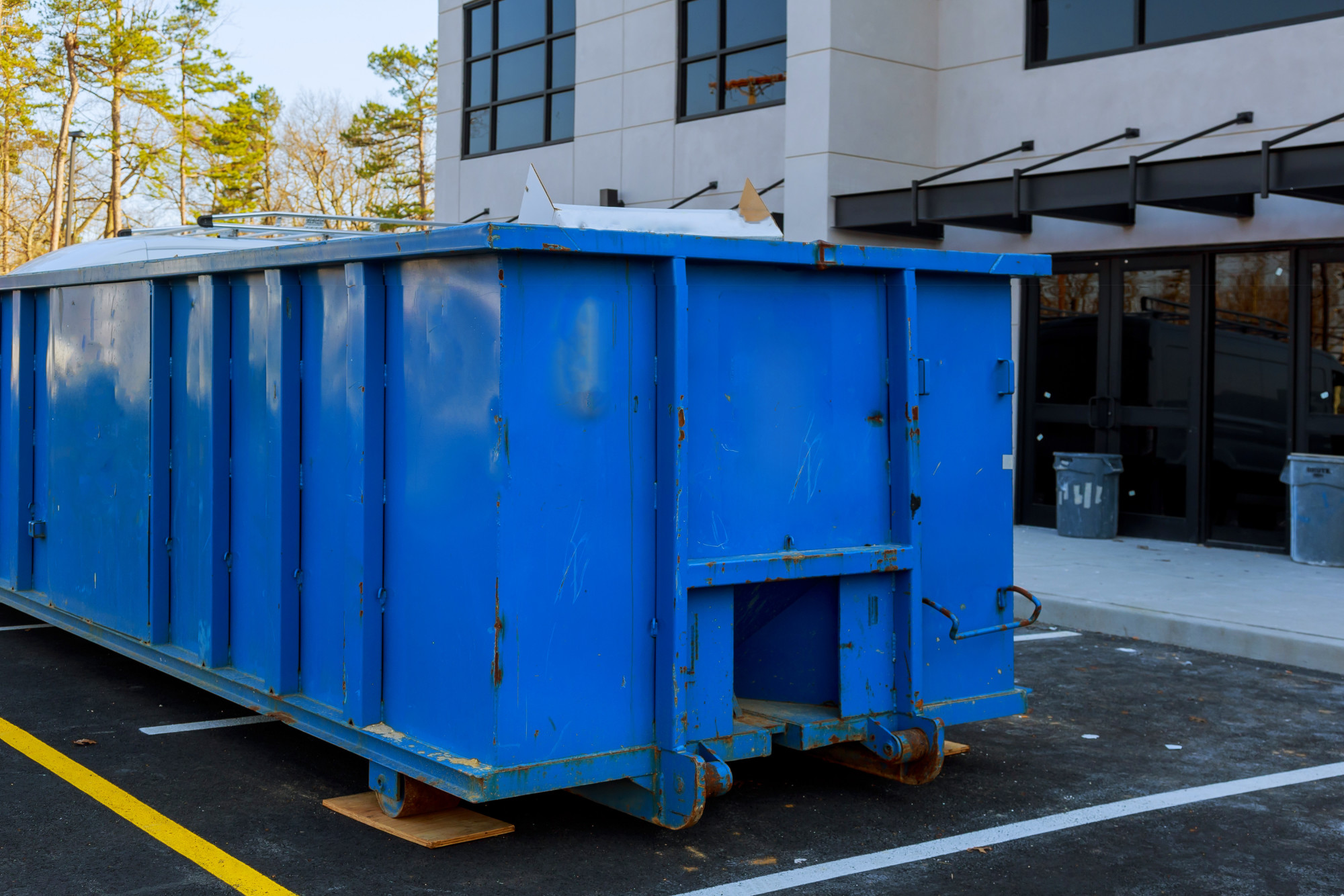
When filling the dumpster, it's crucial to distribute the weight evenly and avoid overwhelming one side. This prevents the dumpster from ending up being unpredictable and reduces the danger of accidents during transport. Some products, like hefty construction materials, might require special handling and disposal.
Be particular to consult your dumpster rental provider for particular guidelines on acceptable products and weight limits
Properly filling the dumpster likewise helps ensure efficient waste disposal Leaving ample area in between things permits very easy compacting, decreasing the number of journeys to the landfill and lessening environmental impact.
Local Laws and Permits
In addition to understanding dumpster capacity and filling guidelines, it's equally crucial to acquaint on your own with local regulations and allows needed for waste disposal projects
Failure to adhere to these guidelines can lead to fines, penalties, and also project delays. Neighborhood guidelines vary, however typical demands consist of acquiring licenses for dumpster positioning, sticking to noise ordinances, and conforming to specific garbage disposal guidelines
It's necessary to research the laws in your location prior to leasing a dumpster. Get in touch with your city government or public works department to establish what licenses are needed and what limitations apply.
Some cities may have specific regulations for dumpster placement, such as requiring them to be positioned behind a fence or on a paved surface area. Others might have sound limitations, restricting the hours throughout which waste can be collected.