When preparing a home renovation, effective dumpster rental is essential for reliable waste disposal and staying within budget. To begin, determine your debris volume by estimating the kinds and amounts of products to be disposed of and measuring the renovation site location. Next, pick the right dumpster size, pick a rental period that lines up with your job timeline, and prepare a level and stable website for suitable positioning. Lastly, comply with local regulations regarding permits, placement limitations, and restricted products. By complying with these 5 vital actions, you'll be well on your way to an effective restoration - and there's even more to check out to assure a convenient experience.
Determine Your Debris Volume
Estimating the volume of debris produced throughout a home restoration task is essential to determining the appropriate dumpster rental size A comprehensive calculation will assure you have sufficient space to take care of waste efficiently, preventing pricey overflows or unneeded multiple rentals.
Begin by determining the types and quantities of materials to be discarded, such as drywall, roofing roof shingles, or lumber. Action the area of the renovation site and determine the volume of particles anticipated to be generated.
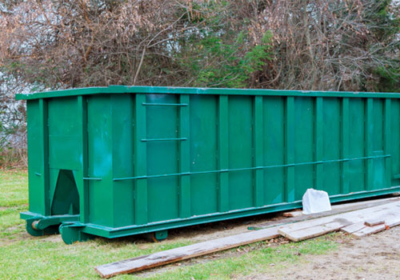
Consider variables like demolition, building and construction, and waste from old materials. You can additionally seek advice from service providers or online resources to approximate the average debris volume per square foot of remodelling area.
Choose the Right Dumpster Size
Typically, dumpsters come in different sizes, varying from 10 to 40 cubic yards.
For little to medium-sized improvements, a 10-20 cubic backyard dumpster is normally enough. Larger tasks may require a 30-40 cubic yard dumpster.
It's crucial to remember that the dumpster size you select will certainly additionally depend on the offered area at your project site and local regulations
Select a Rental Period
With the dumpster size established, focus turns to selecting a rental period that straightens with the task's timeline. This ensures the dumpster is on website throughout of the renovation, enabling efficient waste disposal and lessening delays.
Typically, rental periods range from a couple of days to numerous weeks and even months, relying on the job's extent and complexity.
When choosing a rental period, think about the job's turning points and due dates. Will the improvement be finished within a brief timeframe, or will it extend several weeks or months? Make certain to factor in contingencies, such as unexpected weather delays or product distribution setbacks.
A flexible rental period can provide assurance and accommodate unexpected changes to the project timeline

A reputable dumpster rental firm will collaborate with you to establish the perfect rental period for your project. https://rentry.co/2cy4qo7d They may offer flexible rental options, including daily, once a week, or regular monthly leasings, to accommodate your certain needs.
Prepare Your Dumpster Site
The designated dumpster site plays a critical role in assuring a seamless home renovation process It's vital to prepare the site before the dumpster gets here to stay clear of any hold-ups or inconvenience.
Start by identifying a flat, steady area on your property that can suit the dumpster. See to it the surface is free from any obstacles, such as trees, high-voltage line, or various other frameworks that could disrupt the dumpster's placement.
Additionally, think about the accessibility of the site Validate that the dumpster can be conveniently put and gotten rid of from the website without damaging your building or surrounding surfaces. You may require to remove a pathway or produce a short-lived driveway to promote the delivery and pick-up process
Follow Regional Regulations
Local regulations and policies regulating dumpster rentals differ by municipality, and it's vital to familiarize on your own with the particular guidelines in your area to avoid possible penalties or penalties.
Understanding local laws will assure a smooth and problem-free dumpster rental experience.
To start, contact your local government for the following:
Permit requirements: Establish if you require a license to put a dumpster on your property or street.
Dumpster placement restrictions: Learn if there are any kind of particular guidelines for where you can put the dumpster, such as range from sidewalks or bordering properties.
Weight and size limitations: Examine if there are any type of constraints on the weight or size of the dumpster you can rent.
Prohibited materials: Learn what materials are not enabled to be thrown away in the dumpster, such as hazardous waste or recyclables.